
Making Sure You Get the BEST
So! You’ve decided to give alternative healing modalities a crack, and you don’t know where to begin in terms of what or how to make smart buying choices. Or perhaps you’ve tried some alternative remedies without much success. The world of alternative healing methods is nothing short of HUGE! Quality diet and nutrition are always a staple of any good alternative plan. I’ve written in the past upon the subject of diet (those articles can be found in past print issues of Agenda or online in Agenda at the Wise Remedies blog). Today, we’ll tackle a solid basic in the world of choosing nutritional supplements. Without understanding the landscape of supplements, I am never shocked when I hear people say that herbal supplementation did not work for them …. because not all creations are created equal.
If you are a ‘do-it-yourselfer’ and you have a particular health challenge without a good idea of what supplements to try, I would suggest an internet search for what herbs or nutrients are good for a particular health challenge. You’ll find a veritable plethora of choices in herbs and supplements for almost every single health condition. Please also know in a few things:
a.) consult several webpages on the matter. There is a good amount of misinformation out there so find at least 5 different sites that agree with each other in terms of health issue and remedy.
b.) you will ALWAYS find several sites that completely trash a specific herb’s efficacy in dealing with said health matter. The number of times I’ve found erroneous data about herbs on prominent websites …
c.) if you are taking any prescription medications, do a thorough search to see if any contraindications between a specific herb/supplement and any prescription meds is noted.
d.) the amount of online censorship is increasing at an amazing rate. At the time of this writing, the search results I describe above can be easily found.
e.) obfuscation is employed. Years ago when I did a search on ingredients, many times I did not like the answer found, but it was an answer that was easily understandable in terms of what actually was used to create a nutrient. In today’s world, you find elemental compounds listed as ingredients which means you then must do another search to find out how those compounds are created. So, the information is given, but given in a way the average reader without a chemistry background will not understand the gravity what is being conveyed.
f.) consider consulting an all natural health care practioner to navigate choosing which supplements to try.
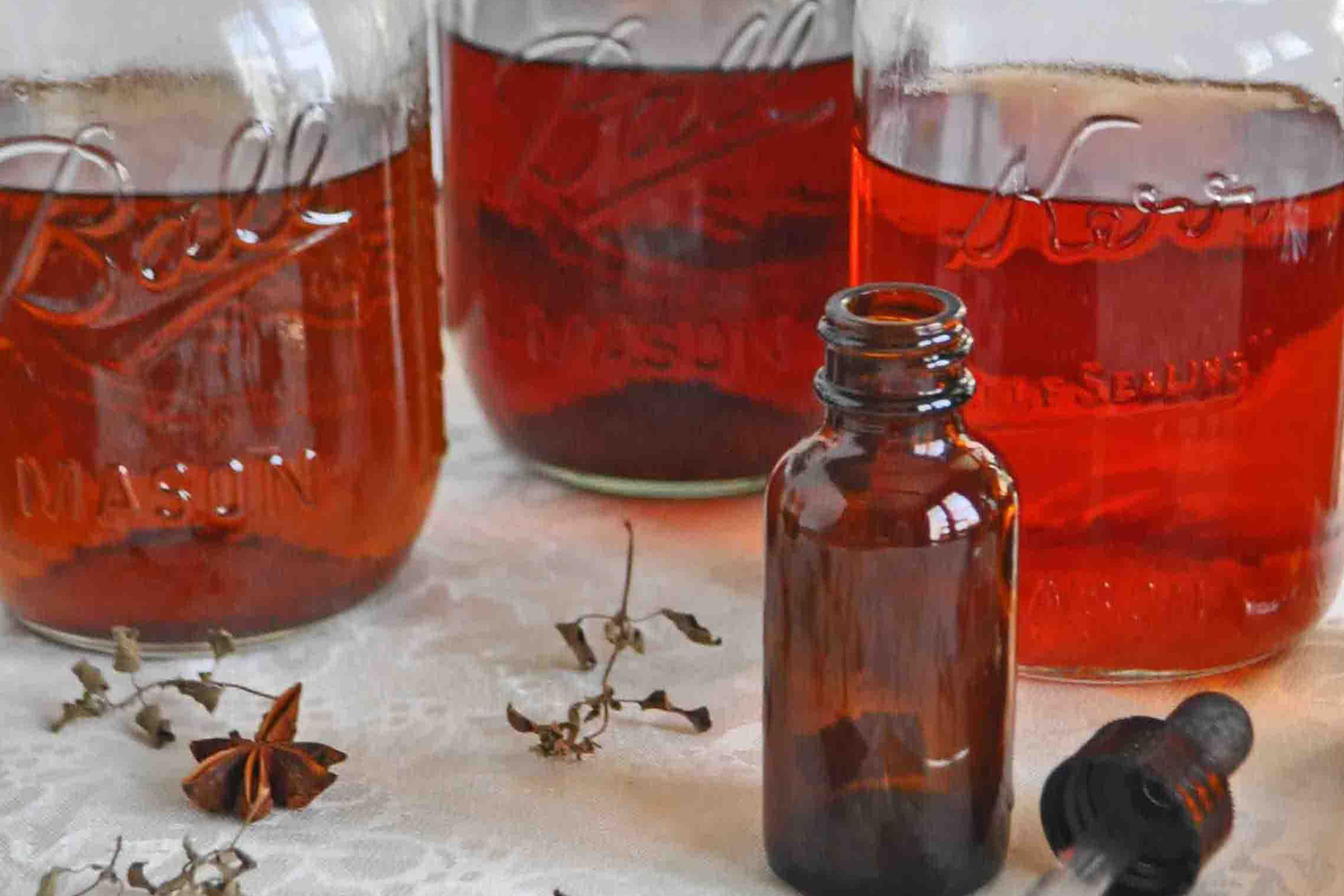
Not all supplements are created equal, and attempting to compare quality between supplements can be challenging. When I look for supplements other than those I personally create, I always look for products that have exceptional production standards. And if you look for these exceptional standards, you will have much less research because these standards will focus your buying on items that are not chemistry experiments. Exceptional standards to look for are:
a.) made from certified organic ingredients. Note: the last time I checked labeling laws, labeling standards allowed makers of supplements to carry ‘organic’ labeling even if only a part of the ingredients are organic, so take care to read the label carefully
b.) makes use of organic (natural) ingredients (not to be confused with certified organic). This usage of the word organic means derived from living matter. For instance, calcium supplements that are created by powdering and/or processing egg shells (and stones). While you won’t see this included directly on the label, if you do a search on calcium acetate (a common calcium supplement ingredient), you’ll find is it made by using egg shells, limestone or marble. Slightly off point, but a worthy mention – While egg shells may be considered organic by some, calcium is best absorbed by the body when taken with magnesium in a very specific ratio (see last item in this list) which the above items do not provide. Additionally, many of the vitamins and nutritional supplements out there are synthetically created, meaning, in a lab, the chemical structure of a naturally occurring compound is mapped and then synthetically created using chemicals and/or chemical processes. Synthetically created supplements are not well absorbed by the body. Synthetics are sold because they offer excellent cost/profit ratios. And while they ‘copy’ organic chemical structures, a synthetically created compound is not organic.
c.) contains little or no excipients (fillers). Fillers are the everything else in the supplement beyond the chief ingredient(s) (i.e. vitamin C, minerals) you are seeking. 100 mg of a substance is a tiny amount, but the pills are not tiny. Fillers are the binders, enteric coating, capsules, etc., beyond the sought nutrients that make up a pill, capsule, tablet. Fillers that you would want to avoid are artificial colors (why on earth do your supplements need to be artificially colored, by the way?!?), hydrogenated oils, and, of all things, heavy metals! Another inordinately common filler is magnesium stearate. This filler can be derived from both plant and animal sources – make sure the supplements you’re buying make use of vegetable-based magnesium stearate. Years ago, I did an internet search on what it was used for. I was most surprised to learn it was predominantly used as a paint thickener at the time. You heard that right: a paint thickener. It is also used as a flow agent for supplements and tablets, for dry coating processes and in baby formula. And finding a reference for being a paint filler online … much harder to do today. Because people became better label readers, some of the standards appear to have risen. Beware of ‘cloudy’ labeling practices.
d.) created with unheated food and/or herb-based ingredients. Buying at this standard means you are getting all the benefits nature packed into a particular item. Nature is infinite in her wisdom – in a food/herb item that is high in a specific nutrient, she generally includes other vitamins, minerals, and trace minerals that are required for the proper absorption and assimilation of the nutrient you’re seeking. In other words, because of the other nutrients included with the ‘desired’ nutrient, the supplement is more effective because it is more readily absorbed and used by the body. Heating food and herb materials damages nutrients and the medicinal compounds contained within.
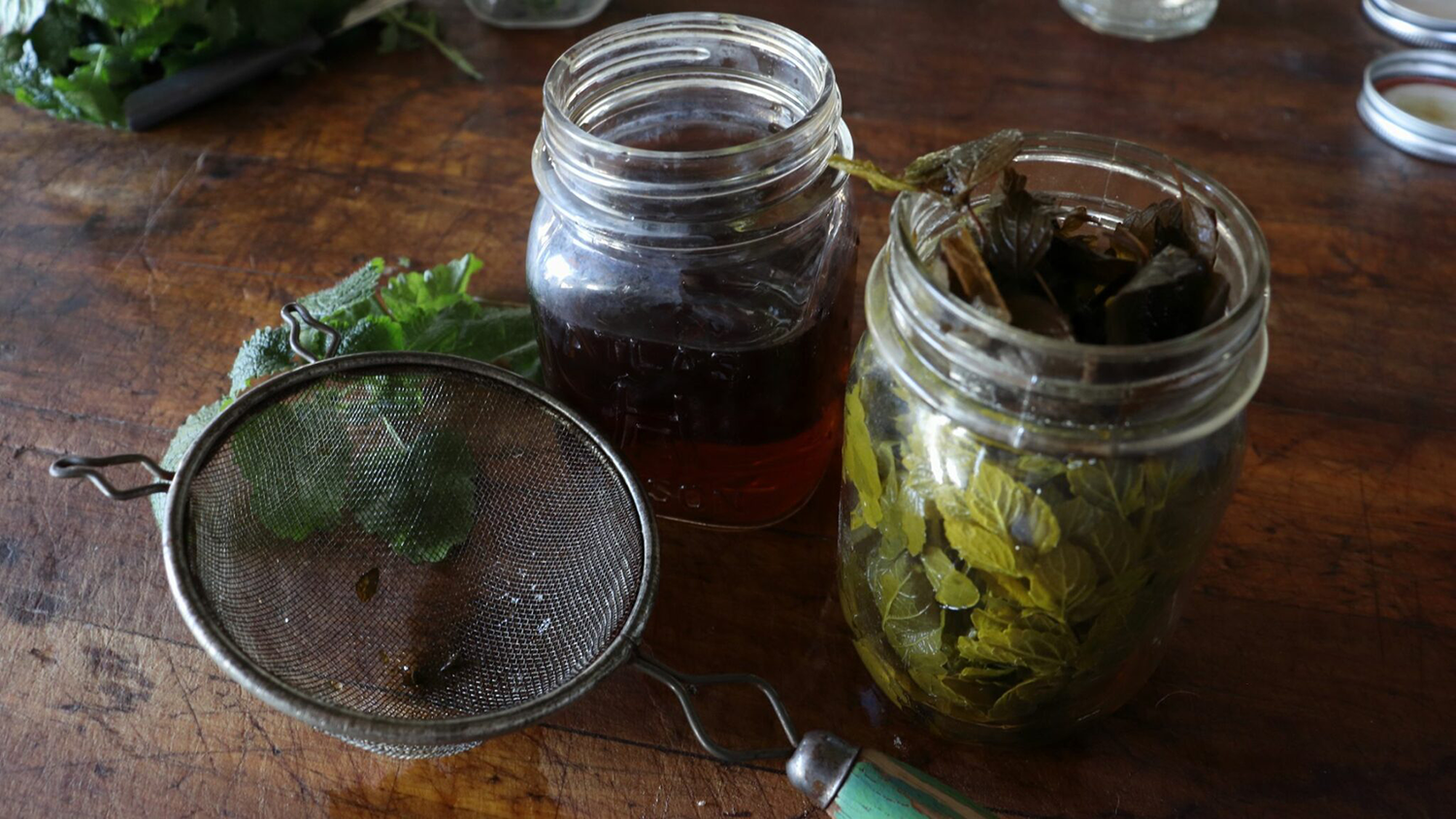
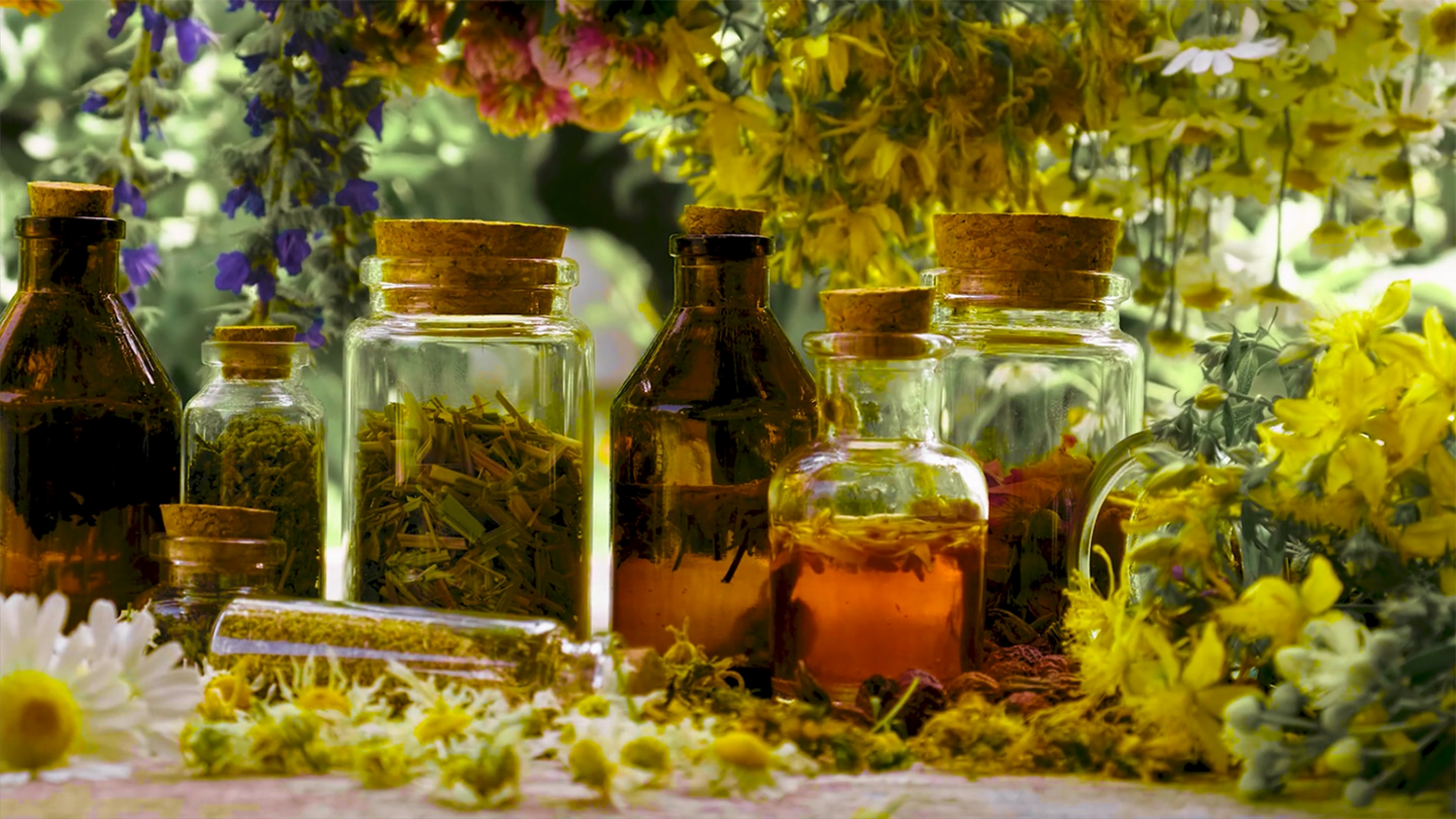
Because I personally LOVE herbs, create herbal products and have witnessed many people benefit from them, I wanted to include a section specifically dedicated to the procurement of excellent quality herbs. You can’t beat Mother Nature. While you may have a bit of a learning curve (figuring out what works for specific ailments), the benefits are stunning. And as such, I do my very best to find plant materials that are:
a.) certified organic or custom wildcrafted. Custom wildcrafted means it was grown in the wild as nature intended, does not make use of agricultural chemicals, nor was it nourished with regular water, weeding and other care. This type of ‘hard grown’ plant had to fend for itself and is a stronger strain of plant because it withstood drought, bugs, etc. Certified organic is not a labeling standard available for herbs that are custom wild crafted.
b.) never heated by applied artificial heat over 112 degrees. Many times, in order to speed processing, herbs are dried using dehydrators, ovens, etc. In can take weeks to properly and naturally dry plant material without applied heat. If artificially heated, the drying process is substantially lessened. This means producers of a particular herb can bring the crop to market faster, yielding quicker and higher returns, however, to do that, they will generally sacrifice product quality and efficacy.
c.) never frozen. Freezing temperatures are as damaging as heating temperatures above 112 degrees.
d.) minimally processed. Every time an herb is processed, the plant material is somewhat damaged. Enough damage and you greatly reduce the health benefits the plant holds. Processing does include cutting, powdering, heating, freeze drying, etc. For example, powdering an herb can and often renders it useless. Unless the powdering process is a low temperature environment, the herbs are literally cooked through the heat the friction in the powdering process creates. So these herbs are cooked, many times even burnt, even though heat was not directly applied.
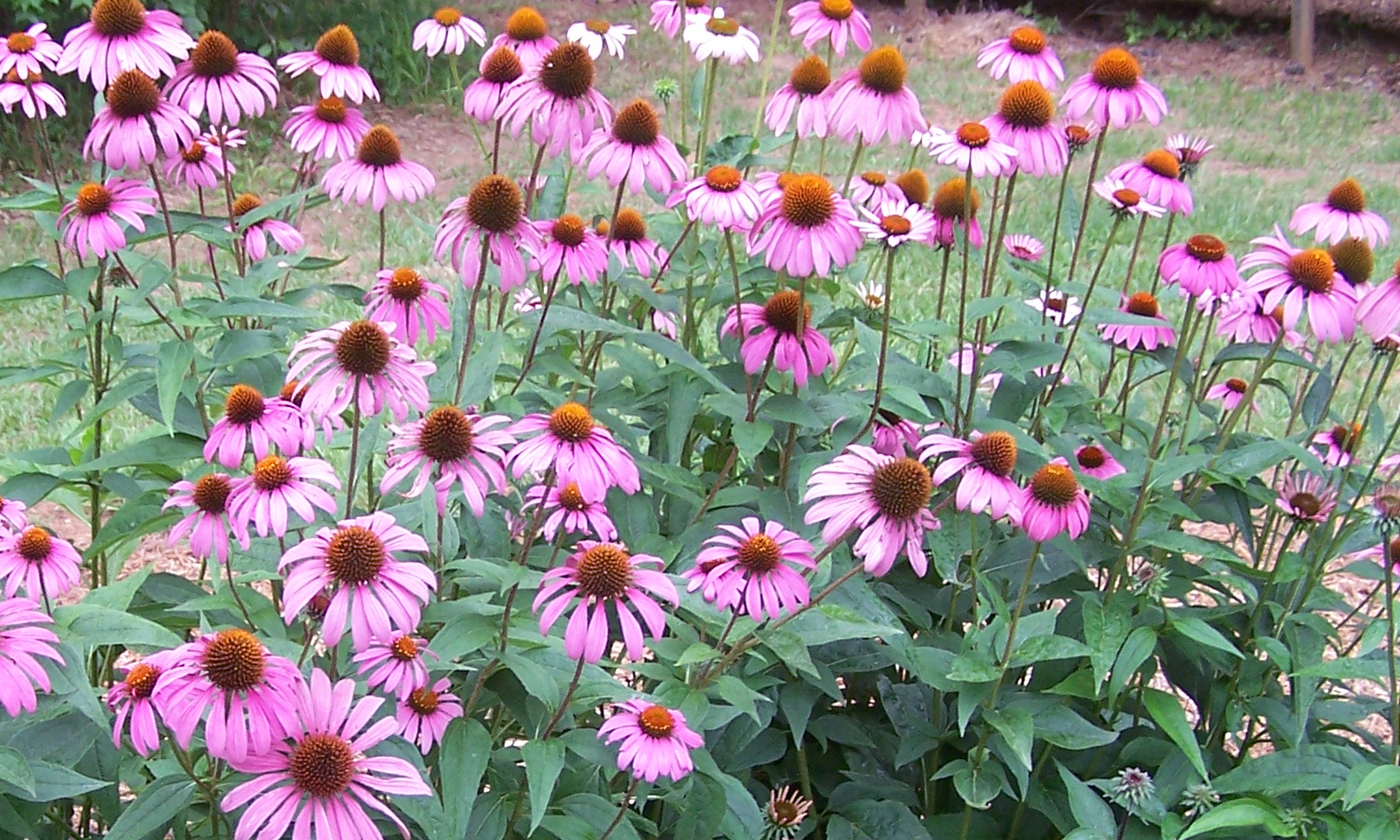
When looking to herbs for healing benefits, it is also smart to check to see which parts of the plant are most medicinal. To convey this point, I’m going to specifically talk about the herb echinacea. And holy buckets! In the past, I have seen the most amazing label admissions. The part of the echinacea plant that is actually therapeutic/medicinal are the roots of the plant. Whether you are buying echinacea in the form of a capsule, tablet or liquid concentrate, make sure THE ingredient contained is the root.
When I first began making my own liquid concentrates, I would commonly read echinacea labels. I was gobsmacked! I found many labels that listed the ingredients as containing “echinacea: whole plant.” In the commercial world of herbal products, the guiding principal is profit. It is much cheaper to create an echinacea supplement which makes use of plant material that contains the whole plant. The plain truth is: the material cost of 1 pound of echinacea, whole plant will be a fraction of the cost of 1 pound of echinacea root. Having priced echinacea for the better part of 20 years, I can tell you that the root is many, many times more expensive than the rest of the plant, but worth it in terms of creating health results/benefits.
Herbal concentrates are also known as tinctures, liquid concentrates, drops. Herbal liquid concentrates are truly the bomb for creating health. Liquids are ideally used by placing the liquid under the tongue and held there for about 30-60 seconds. This allows the concentrate to be directly absorbed into the bloodstream, which bypasses the digestive tract. The importance of this feature is that one can take the concentrate and begin feeling benefits in a matter of minutes. Additionally, products that must pass through the digestive tract must survive the acids, as well as the digestive processes in the digestive tract in order to produce healing benefits.
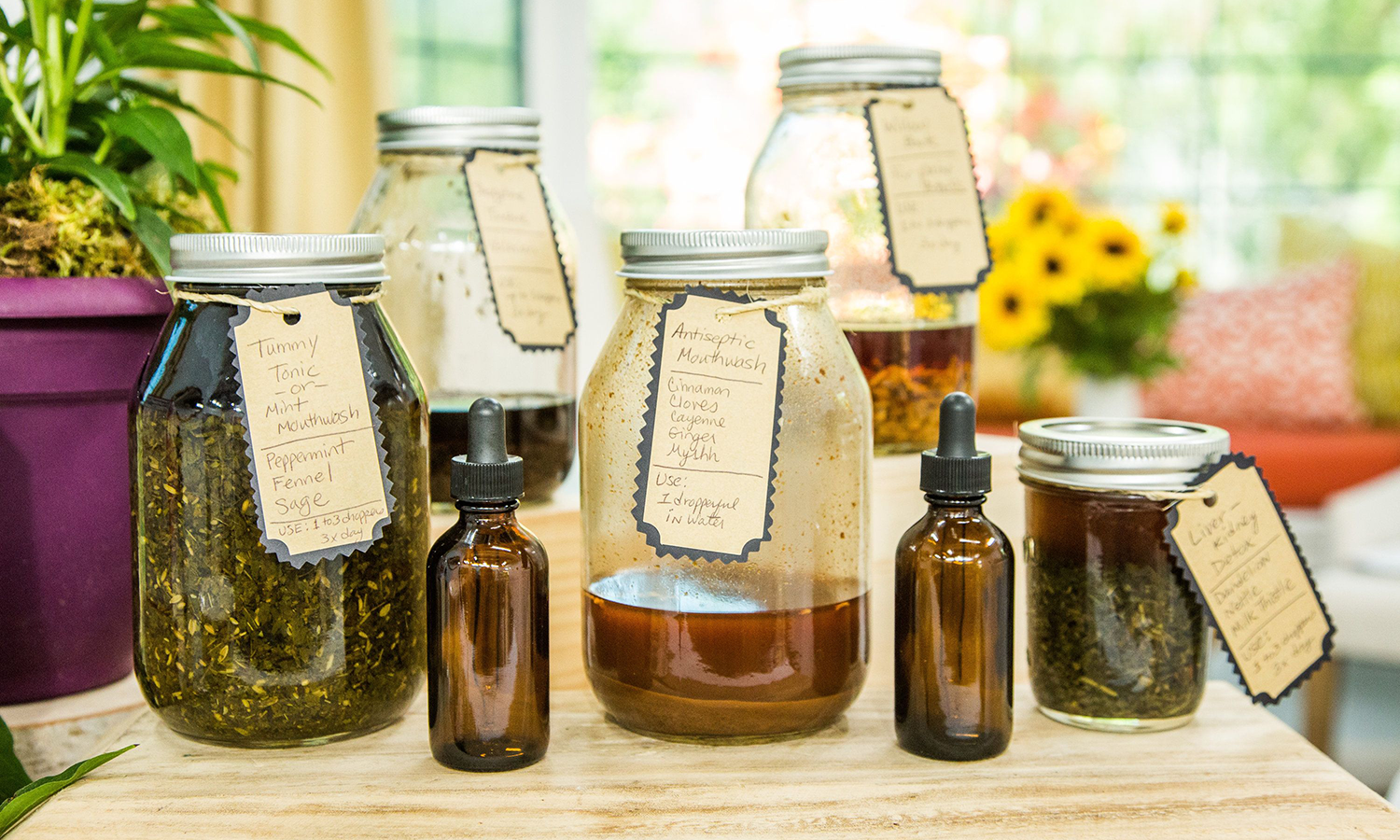
To make a solid, curative herbal concentrate, the concentrate must also be made with excellent production standards (in addition to excellent plant materials), those being menstruum ratio and distillation time. The menstruum ratio is the ratio of plant material to solvent (the word menstruum means solvent). When making a tincture, a solvent is used to break down the plant material, thereby releasing the medicinal properties of the plant into the solvent, thus potentially creating a concentrate. Time is a must to achieve this. Years ago, I would find labels that literally showed a menstruum ratio of 1:25, which meant it was beyond ridiculously weak. And of course, that part of the label was in ridiculously fine print! These days, one finds better ratios on labels.
The still sad part of the equation is this: In order to make therapeutic grade concentrates, one must look to the menstruum ratio AND the distillation time. Commercially made tinctures are generally distilled for three to seven days (this info used to be relatively easy to find, but not so much, anymore), which is entirely inadequate in order to make a quality product. What is amazing to me is the fact that distillation time is patently avoided on labels and when commercial makers of concentrates advertise their products. The sole reason for these practices is the protection of profit. Time is money; allowing a tincture to distill for six weeks (minimally) costs too much time (money).
Upon doing a side by side taste test between two liquid extract products, the tongue will quickly tell you which product was distilled for an adequate period. You can taste the difference once you’ve tried a therapeutic grade product; it is much stronger. Typically, liquid extracts are sold in 1 ounce bottles and cost between 14. – 20 dollars. About 10 years ago, I began to see a very limited number of ‘professional grade’ liquid extracts sold in health food stores. And a 1 ounce bottle sold for $100 – 150.00. Same volume; very different price. Again, time is money; and again, all products are not created equal.
In order to really cover the ‘whole’ topic, we should take a quick dip into the past and discuss something foundational to the entire alternative world of healing. Please note: As we take this ride back through time, I am not speaking of snake oil salesmen; I’m speaking of legit practitioners. For hundreds of years, doctors, herbalists, Chinese medical practitioners, and later in the 1800’s, homeopathic doctors treated people with only the use of natural substances provided by Mother Nature. Doctors personally made all of their own herbal remedies. At the time, doctors were actually master herbalists and they only stayed in business if their remedies proved effective and their remedies could only be effective if they were produced with high standards.
With the advent of the industrial revolution, those interested in creating more profit in the field of medicine desired to create a landscape where drugs and invasive medical practices were regularly employed, and the proliferation of practicing doctors was limited (America had the highest number of doctors per capita). To facilitate this transition, the medical educational system was then infiltrated with large grants made by Rockefeller and Carnegie. Universities began to heavily teach only ‘western medical’ practices. Sadly, there was a dedicated mainstream media effort to turn these long venerated natural practices into ‘quackery’. AND that was achieved in only two short decades.
And here we are today, returning to our ‘alternative roots’ to find answers for health. In closing the point I made early in the article re: websites trashing herbal remedies, there is a dedicated effort to deter the general population from natural remedies. Interesting … yes?
Originally published in Agenda Magazine, April 2020