
Posture is Queen … or KING, BABY!
What would you say if I told you your life depends on your posture? More pointedly, your quality of life depends on your posture and no part of your life is untouched by how you carry your body through space. Failing posture causes a host of cascading health issues that worsen as postural position degrades. Gird your loins for a massive, but introductory injection of data!

The human body is a system of fulcrums (joints) and levers (bones). When the fulcrums are well placed in space and the levers well aligned, the body has greater capacity to be lighter, healthier, oxygen filled, energized, harnessing more healing power, maintaining greater endurance, native flexibility and better joint health … to name but a few. Know straight up – the more supple the spine, the healthier the body.
At the heart of posture is the carriage of the head and spine. To more fully value good posture, let’s examine for a moment (or two), the nervous system. The central nervous system (CNS, brain and spinal cord) is the most protected organ in the body being entirely encased in bone (the skull and generally 33 vertebrae) and cushioned, fed and cleansed by cerebrospinal fluid (CSF) contained in the spinal meninges (3 membranes surrounding the brain and spinal cord). The head ideally should occupy a very specific space above the shoulders. The spine ideally should have 4 natural, but opposing curves at the neck (cervical), chest (thoracic), low back (lumbar), and pelvis (sacrum and coccyx).

The peripheral nervous system (PNS, every other nerve in the body outside the brain and spinal cord, save a scant few in the skull) originate from nerve trunks exiting the CNS either from the cranium but mostly from the spinal cord. The natural curves of the spinal column provide for optimal space for nerve trunks to exit the spinal column unfettered as well as optimal negotiation of gravity with attached limbs (more below on gravity). As posture alters the curves in the spine, the nerve trunks have less space to exit the column literally choking off nerve energy. There are 31 pairs of nerve trunks exiting the spine (not including 12 pairs of cranial nerves) responsible for all sorts of bodily functions. And poor posture robs those nerves of vital energy with which to regulate and/or heal the parts of the body they service.
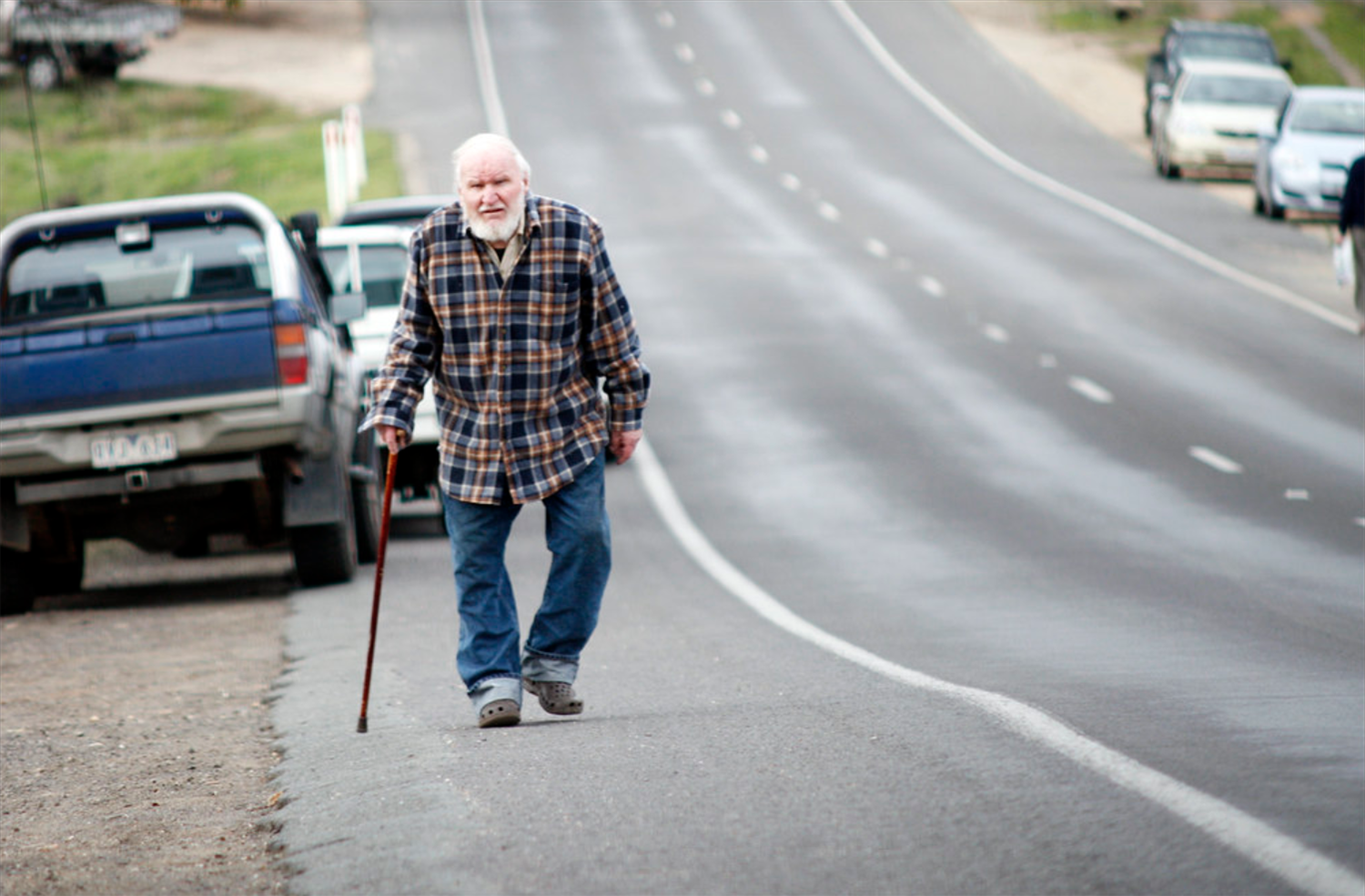
While we may not know what came first, the chicken or the egg, the general picture of poor posture has a few mechanical factors. We’ll start at the head and move down 😀
The head occupies a space that is 1 – 4 inches in front of where it ‘should’ be. Keep in mind, for every inch forward the head is carried, the actual weight of the head is added again to the spine carrying it, making it much heavier for the body to carry around. Fun factoid: the average head weighs about 10-12 pounds. A forward head position literally pulls the curve of the cervical spine straight and the head must then tip upwards lest you walk through life only looking at the ground. The brain stem rests inside the first two cervical vertebrae and is the magical part of the brain that controls the parasympathetic nervous system, responsible for regulating the mostly involuntary function of organs and glands (things like digestion, heart rate, hormone balance, returning blood pressure and heart rate to normal, assists us in calming down after stress reactions). As the cervical spine becomes malaligned, the parasympathetic nervous system functions poorly causing a wide range of health issues like allergies, dizziness, poor digestion, hormone imbalances, ever increasing stress levels, to name but a few. Additionally, a straight cervical spine can deliver shoulder, elbow and wrist issues, numbness in the hands and arms, carpel tunnel, etc.

The shoulders roll forward, bastardizing the shape and function of those joints. The forward position of the shoulders cause the clavicles (collarbones) to push into the sternum (breastbone) with the weight of the arms. This, in turn, partially compresses the lungs and diaphragm and interferes with the ability to oxygenate (you know, breathing!). The stomach is also compressed which can interfere with digestion.
As the head and shoulders move forward in space, the thoracic area of the spine is now called upon to lift an extra heavy head and two arms hanging off of it at unintended angles. The forward head and shoulder position then tip the whole body forward, so instead of standing up straight, the body is perpetually pitched forward, thereby further increasing the weight of the head and shoulders. The thoracic spine begins to collapse under these unnatural pressures creating an excessive curvature of the thoracic spine.
Conversely, beneath the cervical and thoracic areas, the lumbar curve disappears as the pelvic girdle rolls under the body. This in turn, distorts the shape and function of the hip joints, which can cause hip issues and affect knees, ankles and feet.
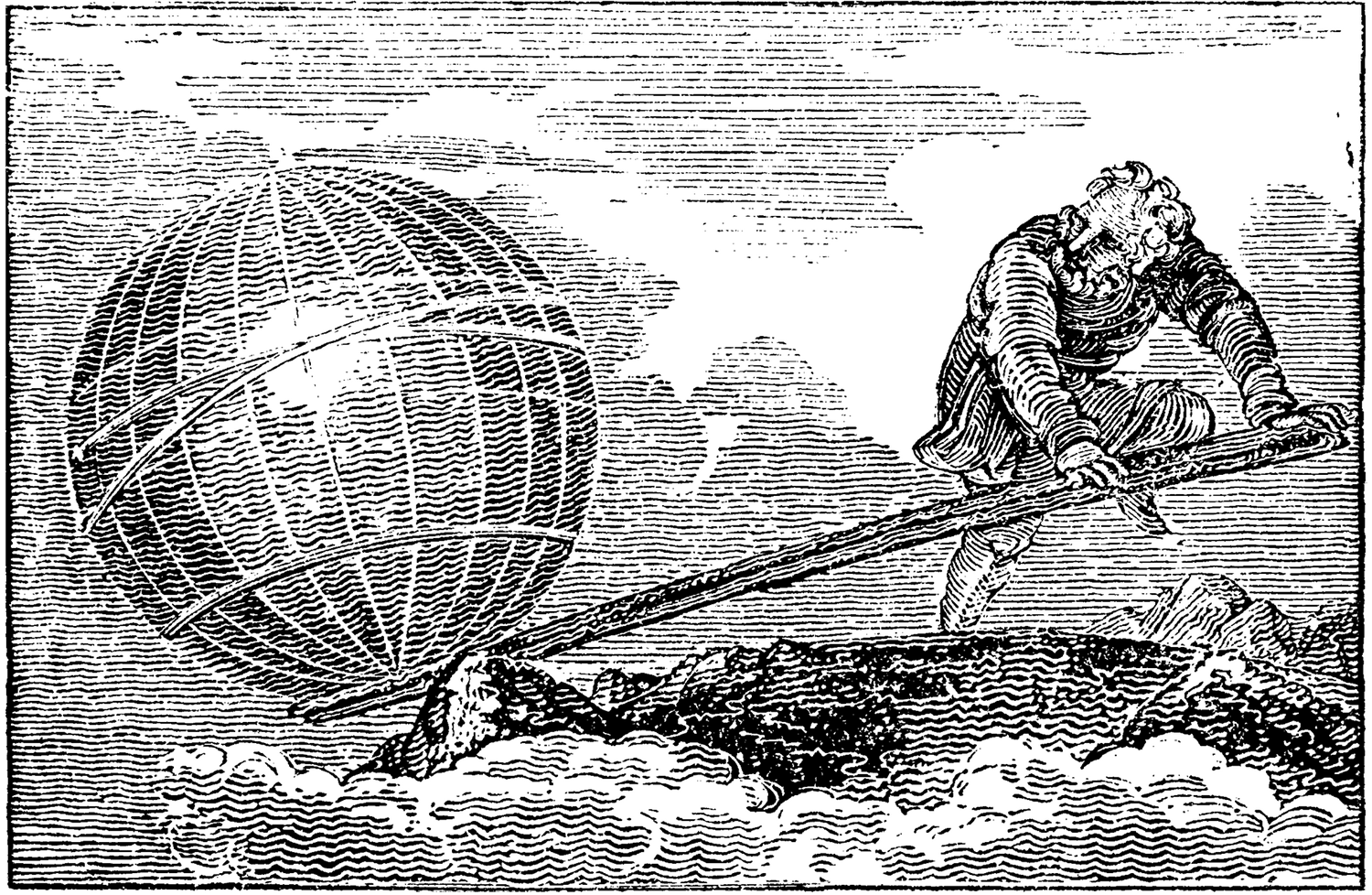
For a quick experiment to understand the gravity of gravity, try this: fill a coffee mug with water. For 30 seconds, hold that mug by the handle two inches in front of your sternum, elbow by your side. Now, extend your arm straight out to your side at shoulder height and hold it up for 30 seconds. The second lift is MUCH harder and you’re most likely dealing with a weight of approximately 12 ounces to a pound. While the weight of the coffee cup didn’t change, the leverage of lifting it changed dramatically. Now, imagine the effects of the weight of your body parts hanging from your torso (you have 3 of them if standing upright) with more difficult leverage because of failing posture. Remember that comment about the body being lighter when posture is correct? The effect of gravity upon the body is lessened by good posture. Joints ‘last’ longer, maintain mobility and have less aches and pains. Fewer muscles will spasm for lack of overwork due to poor leverage.
So now when people say ‘lighten up,’ you may be inspired to stand up straighter and literally, lighten up!
Originally published: Agenda Magazine, Artemis Collector’s Print Edition, May/June 2019